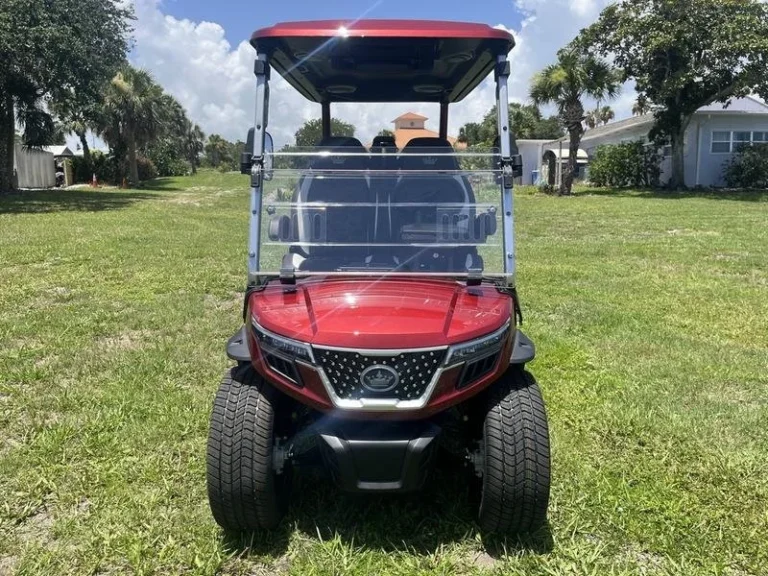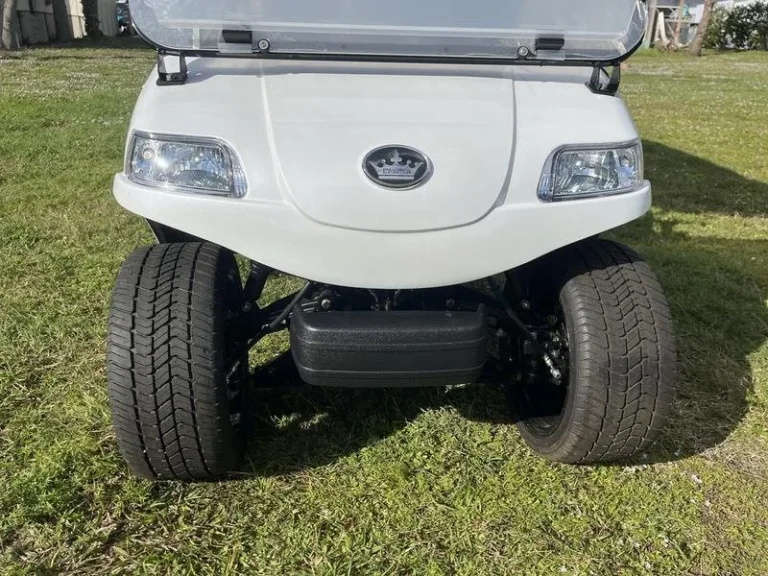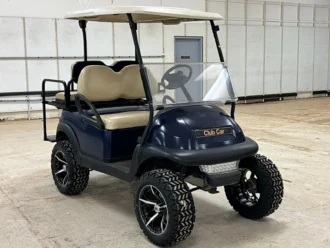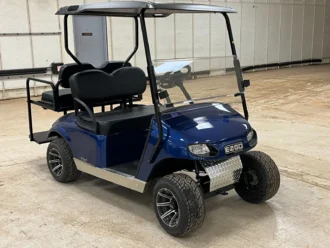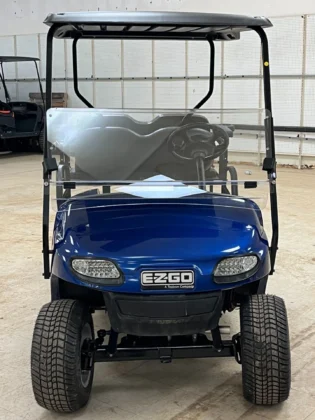
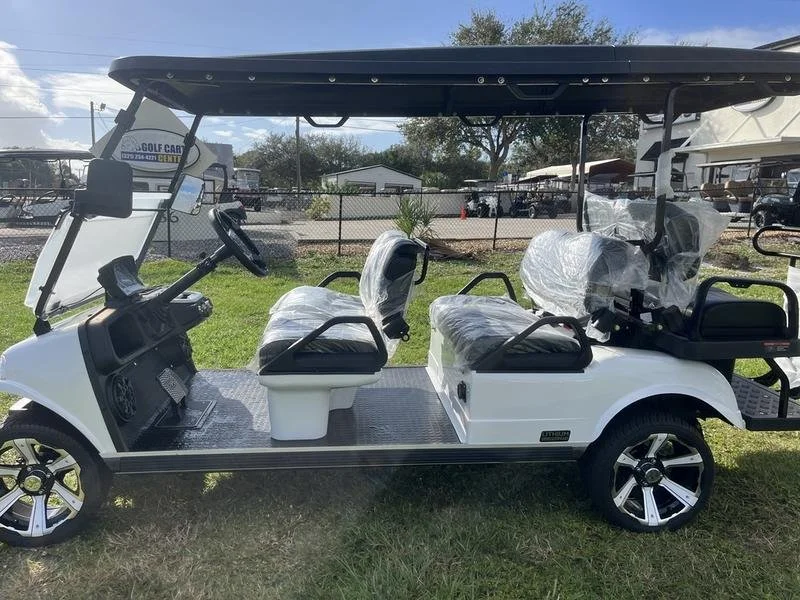
Choosing the right passenger capacity is one of the most important decisions you will make when buying a new or used golf cart. A two-passenger cart can suit buyers who prioritize compact size and simple transport. A four-passenger cart often offers useful flexibility for families, while a six-passenger cart can make sense for buyers who regularly move larger groups around properties, communities, or events. Deciding which is right for you depends entirely on your daily routine, neighborhood layout, and how often you genuinely carry extra riders.
2-Passenger Golf Carts: The Compact Utility Choice
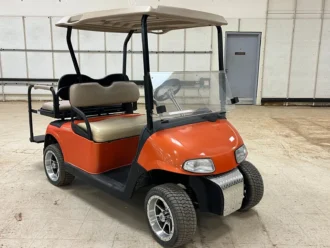
Two-passenger golf carts are the classic, straightforward option. They cater directly to buyers who mainly travel solo or with one other person. Compared with larger passenger configurations, many two-passenger models are easier to maneuver and park, but dimensions and transport requirements vary by make and model.
While they are the undisputed standard for dedicated golf course use, a two-passenger model is also highly practical if utility matters more than passenger space. Many property owners choose configurations that replace the traditional rear seating area with a cargo box, flatbed, or specialized equipment rack.
This makes the two-passenger setup ideal for property maintenance, gardening, or hauling tools without the extra length of a larger vehicle. Their more compact footprint can make them easier to use in tighter spaces, although you should always check the cart’s actual dimensions against your storage area and intended routes. If you do not foresee needing to shuttle guests or family members around your community, a two-passenger cart keeps things remarkably simple and highly efficient.

4-Passenger Golf Carts: The Versatile All-Rounder
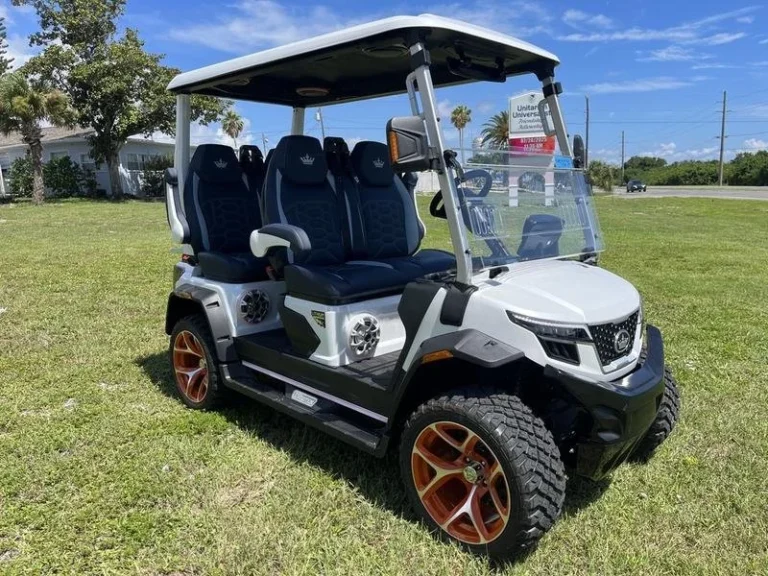
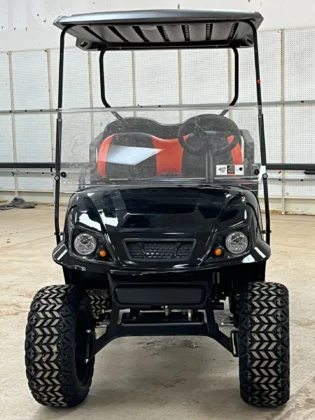
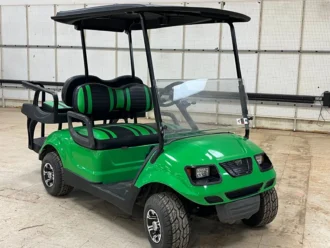
For many residential and recreational buyers, a four-passenger golf cart can offer a useful balance between manageable size and practical versatility. These carts are slightly longer than a standard two-passenger model but remain compact enough for easy navigation through neighborhood streets, campground paths, and master-planned communities.
The most significant advantage of a four-passenger cart is adaptable seating. Many four-passenger models use a rear-facing flip seat that can provide additional seating or convert into a cargo platform. Exact seating capacity, passenger limits, and cargo use depend on the specific cart and manufacturer configuration.
This dual-purpose design allows you to haul groceries, coolers, beach gear, or pet supplies without sacrificing the ability to transport passengers later in the day. The added length may still be manageable for everyday use, but buyers should compare dimensions, turning space, and storage needs before choosing a four-passenger layout.
Solo and Utility Focus
Ideal for regular golfers, property maintenance, and those with limited garage storage space.
Family Flexibility
The perfect everyday neighborhood cruiser with versatile flip-down rear seating for carrying cargo.
Group Transport
Built for moving large groups efficiently at venues, large estates, or bustling resort campuses.
6-Passenger Golf Carts: Maximum People Movers
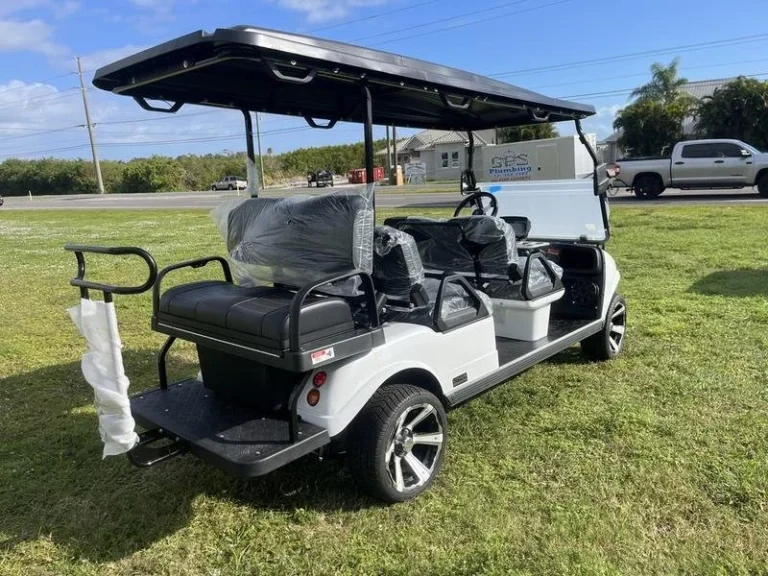
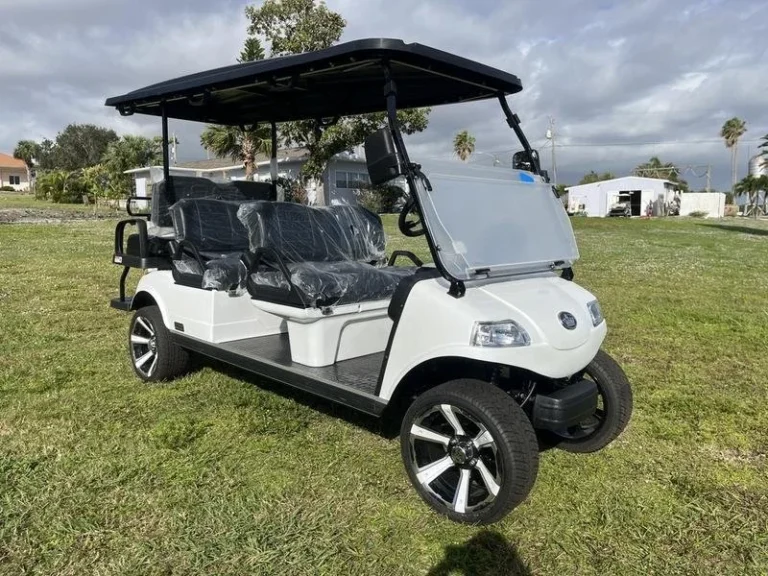
A six-passenger golf cart is a specialized vehicle designed specifically for buyers who regularly need substantial seating capacity. These elongated carts are a common sight in hospitality settings, large private properties, event venues, and sprawling campus environments where moving several people simultaneously is far more efficient than making multiple trips.
The primary trade-off for this extra capacity is the vehicle’s physical footprint. A six-passenger cart features an extended chassis that requires considerably more space for turning, parking, and long-term storage. Its larger footprint can require more turning and parking space, so buyers should compare the cart’s dimensions with the paths, storage areas, and locations where it will be used most often.
Before committing to a six-passenger model, it is highly recommended to measure your garage space and carefully evaluate the exact routes you plan to drive most frequently to ensure the extra length will not become a daily hindrance.
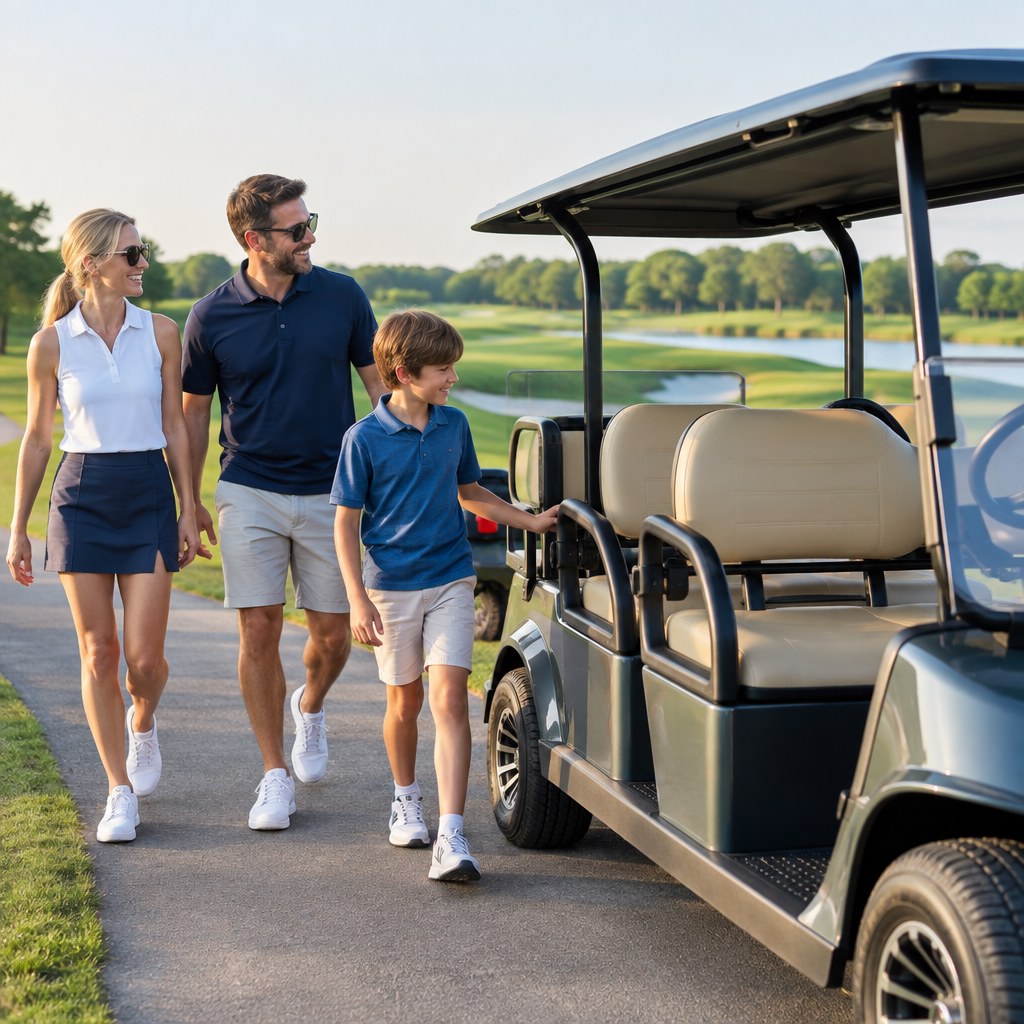
Key Factors to Compare Before Buying
Passenger count is the most visible difference, but it should not be the only factor in your decision. As the physical size of the cart increases, so do the demands on the vehicle’s hardware. You must also evaluate:
- Power Type: Compare gas and electric options based on how you plan to use the cart, where you will charge or refuel, and the manufacturer’s specifications.
- Rated Capacity: Check the manufacturer’s passenger and payload ratings rather than assuming that every cart with more seats can carry the same load.
- Braking and Suspension: Review the factory setup and any approved upgrades for the exact model, especially when carrying more passengers or cargo.
If you are considering street use, remember to check the specific rules that apply in your state and local municipality. Larger carts often require specific safety features to remain compliant with local road laws.
Which Size Is Right for You?
Choose the compact utility of a two-passenger cart if you prefer easy storage. Select the unmatched flexibility of a four-passenger model for family neighborhoods. Opt for the hauling capacity of a six-passenger vehicle if moving groups is your main priority.
DLR Golf Carts carries a complete range of passenger configurations to perfectly match your lifestyle, property size, and neighborhood requirements. Comparing the actual dimensions and features in person is the best way to make a confident, lasting choice.