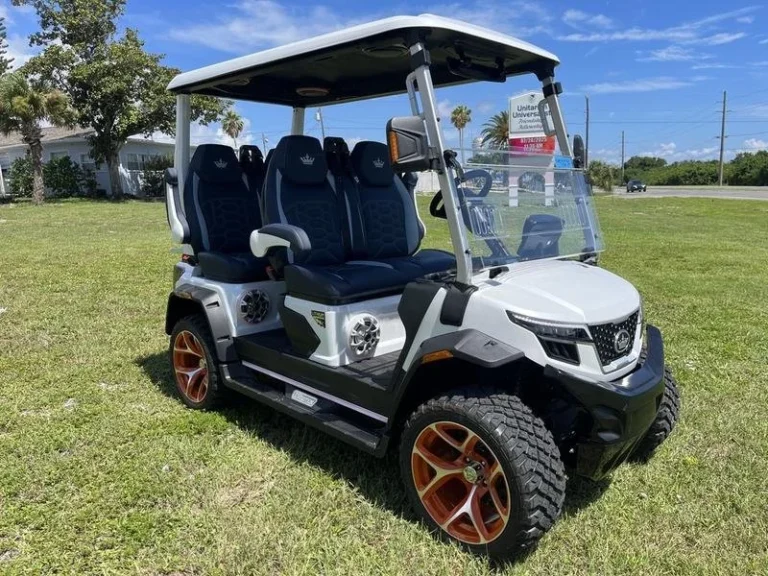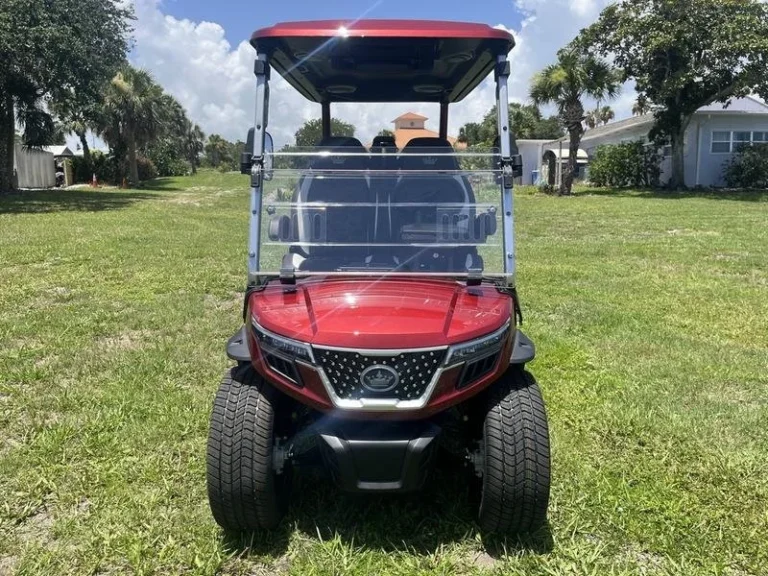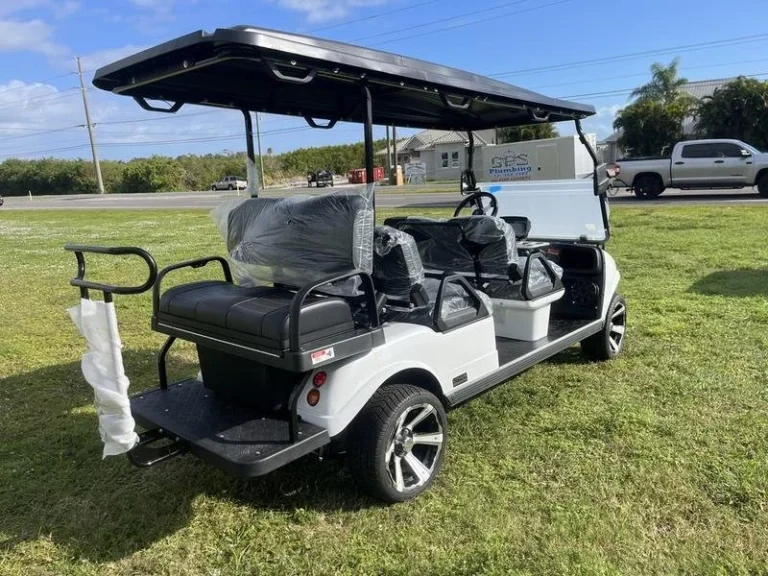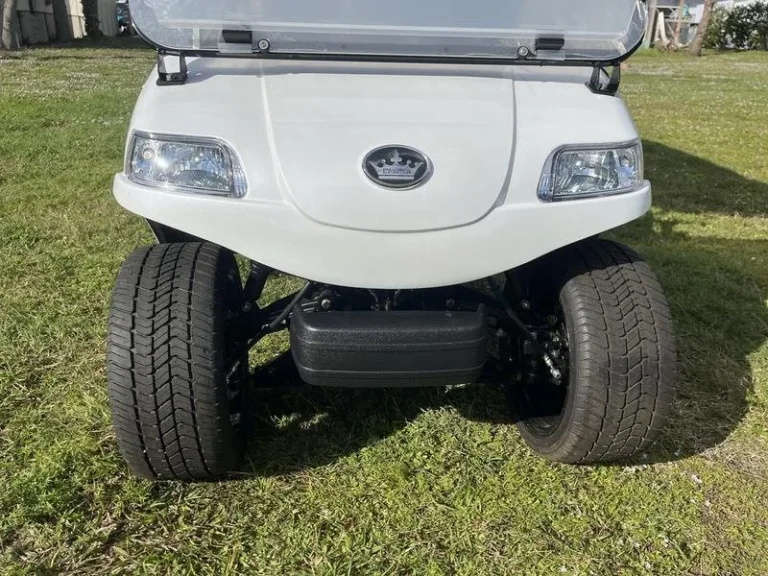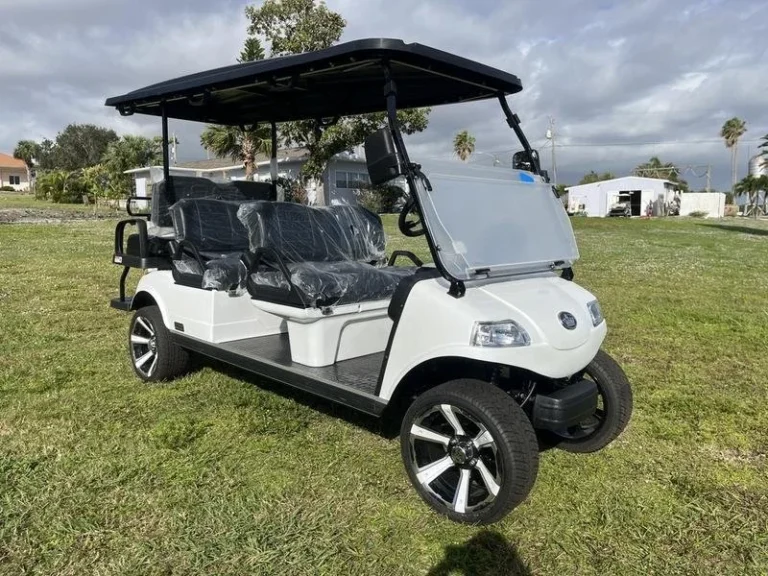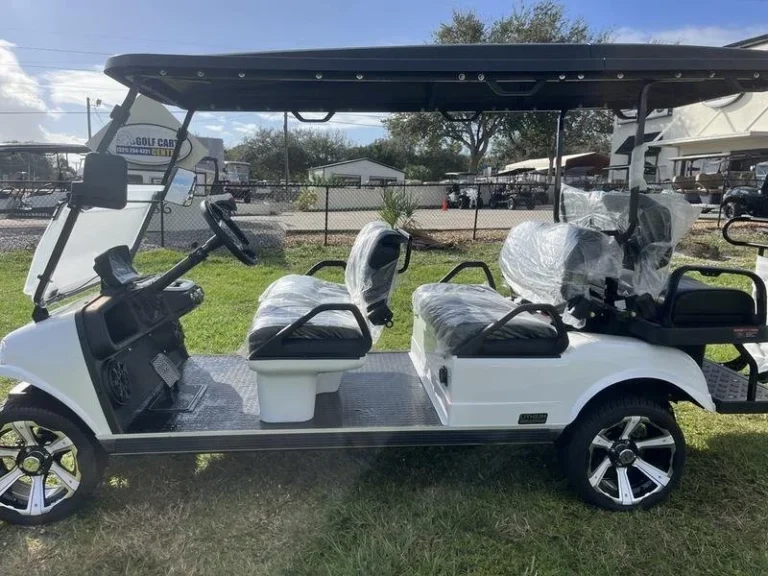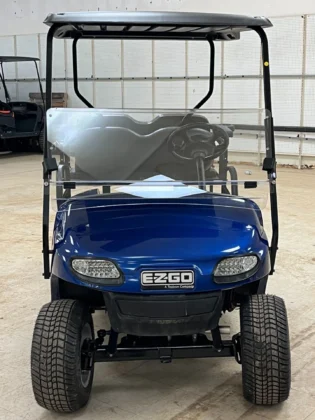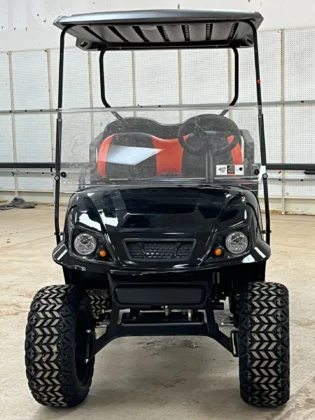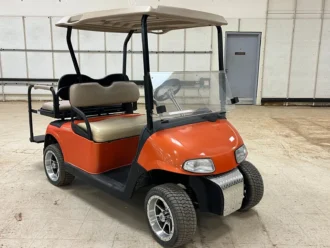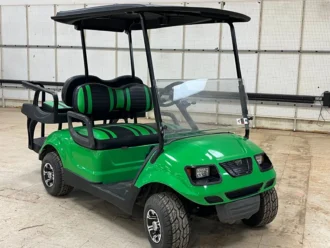
Buying a golf cart is much easier when you know what to compare. This golf cart buying guide walks through the most important checks before you choose a new or pre-owned cart, whether you want it for neighborhood driving, recreation, property transport, family use or everyday convenience.
1. Start With How You Will Use the Golf Cart
Before comparing brands or prices, decide what the cart actually needs to do. A compact two-passenger model may be ideal for simple transportation, while four- and six-passenger carts make more sense when you regularly carry family, guests or equipment. Think about where you will drive, how far you normally travel, how much storage you need and whether you expect to use the cart on private property or public roads.
If passenger capacity is your biggest question, see our 2 vs 4 vs 6 passenger golf cart comparison.
2. Decide Between New and Pre-Owned
New golf carts can appeal to buyers who want the latest features and minimal previous use. Pre-owned carts can offer excellent value, but condition matters more. Inspect the body, seats, tires, steering, suspension and braking, and ask for any available maintenance history.
3. Compare Electric, Lithium and Gas Power
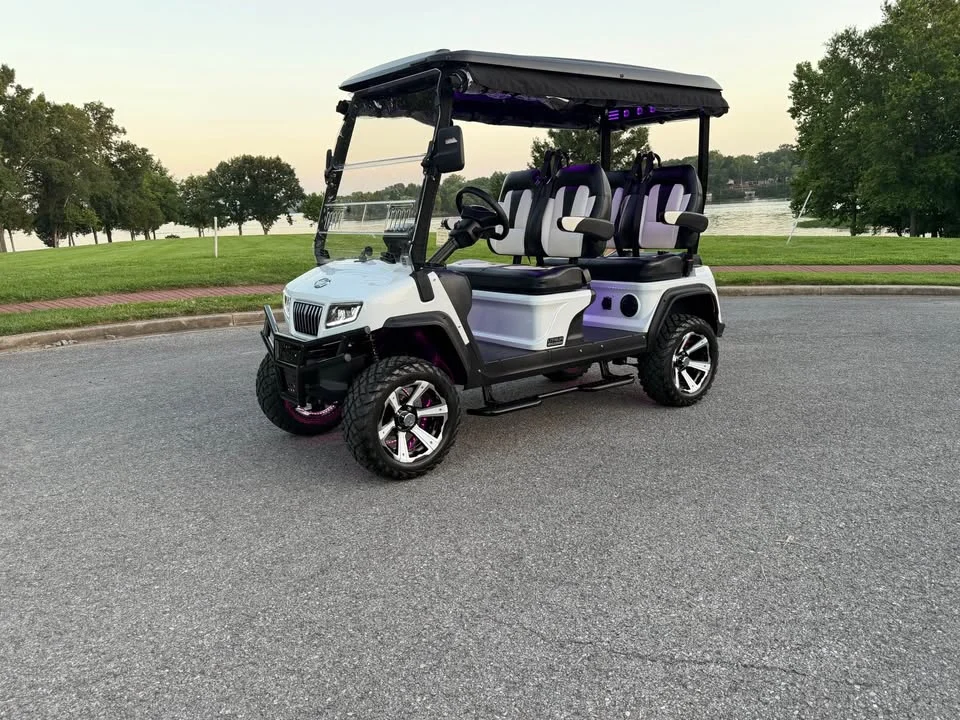
Power type affects how the cart feels to own. Electric carts are quiet and convenient for many everyday uses. Lithium-powered models can reduce routine battery maintenance and battery weight. Gas carts may suit buyers who value quick refueling or plan to use the cart for longer periods between stops.
There is no single best choice for everyone. Our electric vs gas golf cart guide explains the trade-offs in more detail.
4. Inspect the Battery or Engine System
On an electric cart, ask what battery type is installed, how old it is, whether the correct charger is included and whether there are signs of charging problems. On a gas cart, check for easy starting, smooth idle, unusual smoke, leaks or abnormal noises. These systems can have a major effect on future ownership costs.
5. Choose the Right Passenger Capacity
Do not buy more cart than you need, but do not underestimate future use either. Two-passenger carts are compact and easy to store. Four-passenger models give families and guests more flexibility. Six-passenger carts make sense when carrying groups is a regular part of how the vehicle will be used.
6. Check Tires, Brakes, Steering and Suspension
These components affect comfort, handling and safety. Look for uneven tire wear, damaged wheels, loose steering, suspension noise and weak braking. On a pre-owned cart, uneven wear can also provide clues about how heavily the vehicle has been used or whether alignment and suspension issues need attention.
7. Review the Features You Actually Need
Golf carts can include windshields, lighting, rear seats, storage, upgraded wheels, lifted suspension, mirrors, charging ports and other accessories. Focus on features that improve how you will actually use the cart rather than choosing a model simply because it has the longest equipment list.
8. Understand Street-Use Requirements
If you plan to operate the cart on public roads, check the rules that apply in your state and local area before buying. Equipment, registration, insurance and road-use requirements can vary by jurisdiction. A cart being advertised as suitable for road use does not automatically mean it is legal everywhere.
9. Look Beyond the Purchase Price
The price on the listing is only one part of ownership. Also consider charging or fuel, battery replacement, tires, routine maintenance, insurance where applicable, accessories and transportation or delivery. A cheaper cart can become a poor value if it immediately needs expensive work.
Quick Golf Cart Buying Checklist
| Area | What to Check |
|---|---|
| Condition | New or pre-owned, body condition, wear and maintenance history |
| Power | Gas, electric or lithium and the condition of the power system |
| Capacity | 2, 4 or 6 passengers based on real everyday use |
| Safety | Brakes, steering, tires, lights and seat belts where fitted |
| Features | Only the accessories and equipment you will actually use |
| Ownership cost | Fuel or charging, maintenance, batteries, tires and delivery |
Golf Cart Buying FAQ
Is a new or pre-owned golf cart better?
Neither is automatically better. A new cart may appeal to buyers who want the latest features and minimal previous use, while a well-maintained pre-owned cart can offer strong value. Condition, maintenance history and intended use matter more than the label alone.
Should I choose gas or electric?
Choose based on how and where you plan to drive. Electric carts are quiet and convenient for many everyday uses, while gas carts can suit buyers who value quick refueling and extended use between stops.
What should I inspect first on a used golf cart?
Start with the battery or engine system, then check tires, brakes, steering, suspension, seats, body condition and any available maintenance history.
Find the Right Golf Cart for Your Needs
The best golf cart is the one that fits how you plan to use it. Compare condition, passenger capacity, power type, practical features and ownership costs before deciding. When you are ready to see current options, browse the DLR Golf Carts inventory and compare available models.